Overview
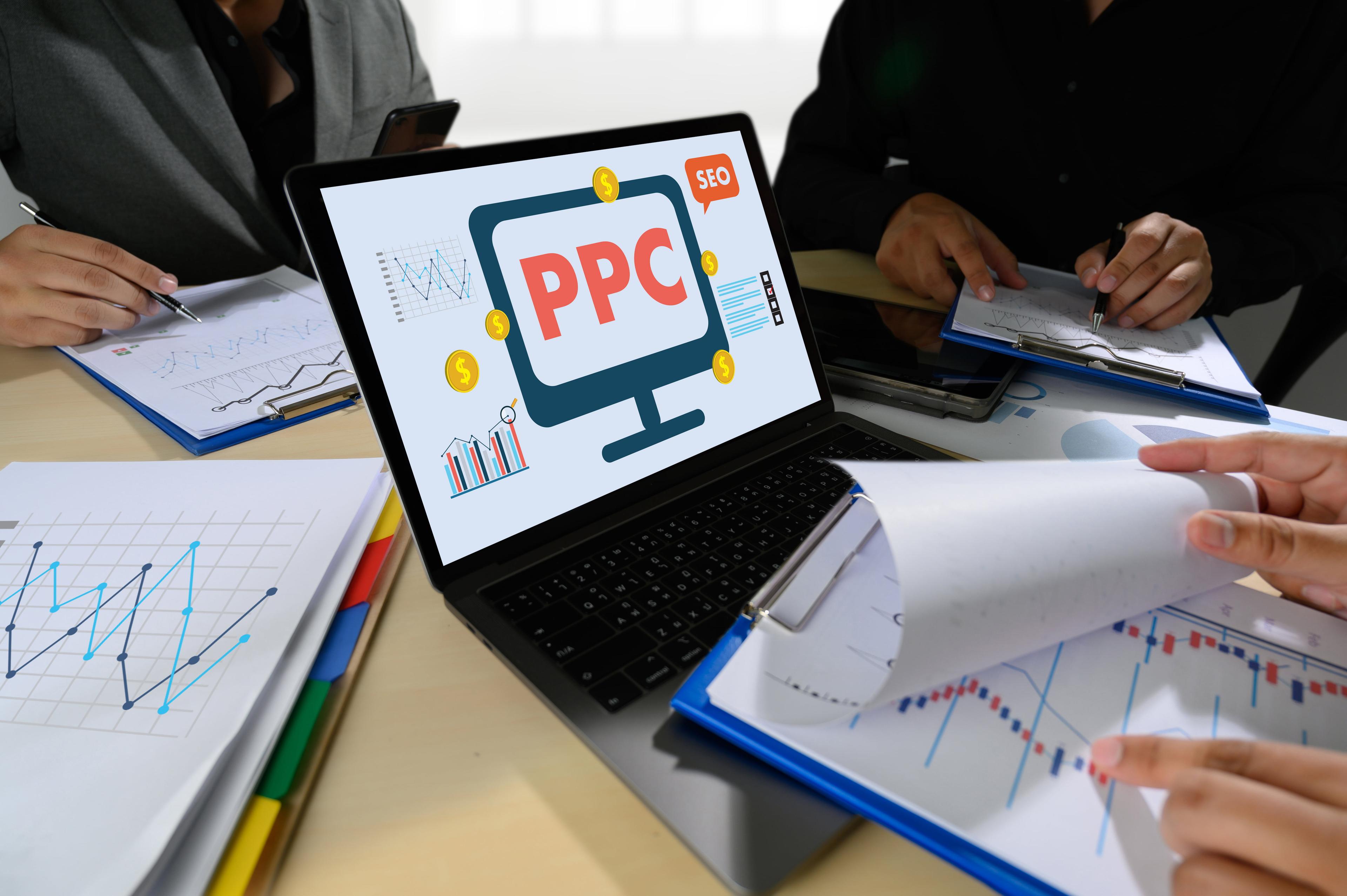
PPC stands for pay-per-click. It is a form of online advertising. You pay only when someone clicks your ad. It is used on Google Ads, Facebook, Instagram and others. PPC is popular because it is quick and you can track each click. PPC is sometimes called paid search or search advertising.
Key Points
- PPC is also called paid search or the pay-per-click model, since it's most often tied to search engines.
- PPC stands for Pay-Per-Click, a pricing model used across most online ad platforms.
- Popular PPC networks include Google Ads, Meta Ads (Facebook and Instagram), LinkedIn Ads, and Microsoft Advertising, each appealing to a different type of audience.
- Your ad will enter a live auction and compete with other ads for placement based on your bid and the quality score (how relevant and useful your ad is to the user).
- A higher quality score can lower your cost per click so a smaller budget with a better targeted ad can still win out over a larger budget with a weaker one.
- SEO takes weeks or months to build organic traffic. PPC can get your ad in front of people almost instantly.
What is PPC in Digital Marketing?
Businesses want to run ads that people can see right away. That's where PPC fits in. You don't have to wait for free traffic to build up over time. It gets your brand in front of people fast. When someone clicks on an ad and is redirected to your website, you pay for each click. This includes banner ads, search ads, shopping ads, and social media ads, and you only pay when someone clicks on it. This lets you see immediately every click, cost, and result.
How Does PPC Work?
Each time someone searches for a keyword, an auction for ads is started. Advertisers begin by choosing keywords related to whatever they sell. Then they decide how much they want to pay for every click. Google uses it to determine how good and relevant the ad is. The top spot goes to the ad with the highest quality score and bid. You only pay if someone clicks on the ad. This means a small business with a good ad can beat a big business that spends huge amounts of money.
Types of PPC Ads
Pay-per-click (PPC) ads come in many forms. Stores use a mix a lot because they know where their customers hang out.
- Search engines, like Google, show ads when you use them.
- Facebook, Instagram, LinkedIn and TikTok are all pay-per-click advertising-supported social media sites.
- Banner ads that show up on other websites are called display ads.
- Shopping ads in search results will display the item you want, how much it costs and the name of the store.
- Remarketing ads target people who have already been to your site.
Every kind does something different. The best mix depends on your audience and goals.
Why Do Companies Use PPC?
PPC puts your business in front of people already searching for what they need online. You can target by location, device, time, and search intent and get traffic in hours, not months. Plus, you see exact numbers for clicks, cost, and sales. So small businesses can compete with big brands without spending a tonne of money. PPC is great for new companies that need to be seen quickly and for larger brands testing new products or deals before committing large sums to other marketing.
PPC vs SEO: What's the Difference?
The only difference is that PPC gets you seen right away. SEO builds up slowly with time.
| **Feature** | **PPC** | **SEO** |
|---|---|---|
| How fast it works | Fast | Slow, takes months |
| How you pay | Pay per click | No direct cost per visit |
| Where ads show | Paid, sponsored spots | Normal search results |
| Control | You control it fully. | Depends on Google's rules |
As soon as the campaign goes live, the PPC starts working. SEO helps bring visitors long after, even without spending more money.
How to Measure PPC Success?
There are some ways by which you can measure how PPC ads are performing. CPC or Cost Per Click is the amount you pay per click on an ad. CTR or Click-Through Rate is the percentage of people who click your ad when they see it. Conversion rate is basically the percentage of clicks that result in a sale or a lead. ROAS, also known as Return on Ad Spend, is basically the amount of money you make for every dollar that you spend. Check these numbers often. This helps you resolve problems before you waste money.
Common PPC Problems
PPC is not always easy. A few common problems come up often. Cost-per-click keeps rising, which makes it harder for small budgets to compete. A low quality score can drive up the cost of your ads, and clicks from the wrong crowd can burn your budget without actually generating leads. Many businesses also struggle to write ad copy that stands out or selecting landing pages that actually convert clicks into customers. That's why PPC usually works best when someone is regularly reviewing and adjusting the campaign, rather than setting it up once and leaving it alone.
Final Thoughts
PPC marketing simply means showing up right when people are looking for you and only paying when they actually click. Understanding the basics gives your business a real advantage. Want help setting up a PPC campaign that works? Get in touch with Margo Digitech and let's build one together.
Frequently Asked Questions
PPC means you only pay when someone clicks on your ad, not when it is shown.
The PPC full form is Pay-Per-Click.
It is contingent upon your industry and your competition, but you set your own daily or monthly budget.
PPC can bring traffic within hours or a few days. SEO usually takes a few months.
Neither is better on its own. PPC gives fast results; SEO builds long-term traffic. Most businesses use both together.