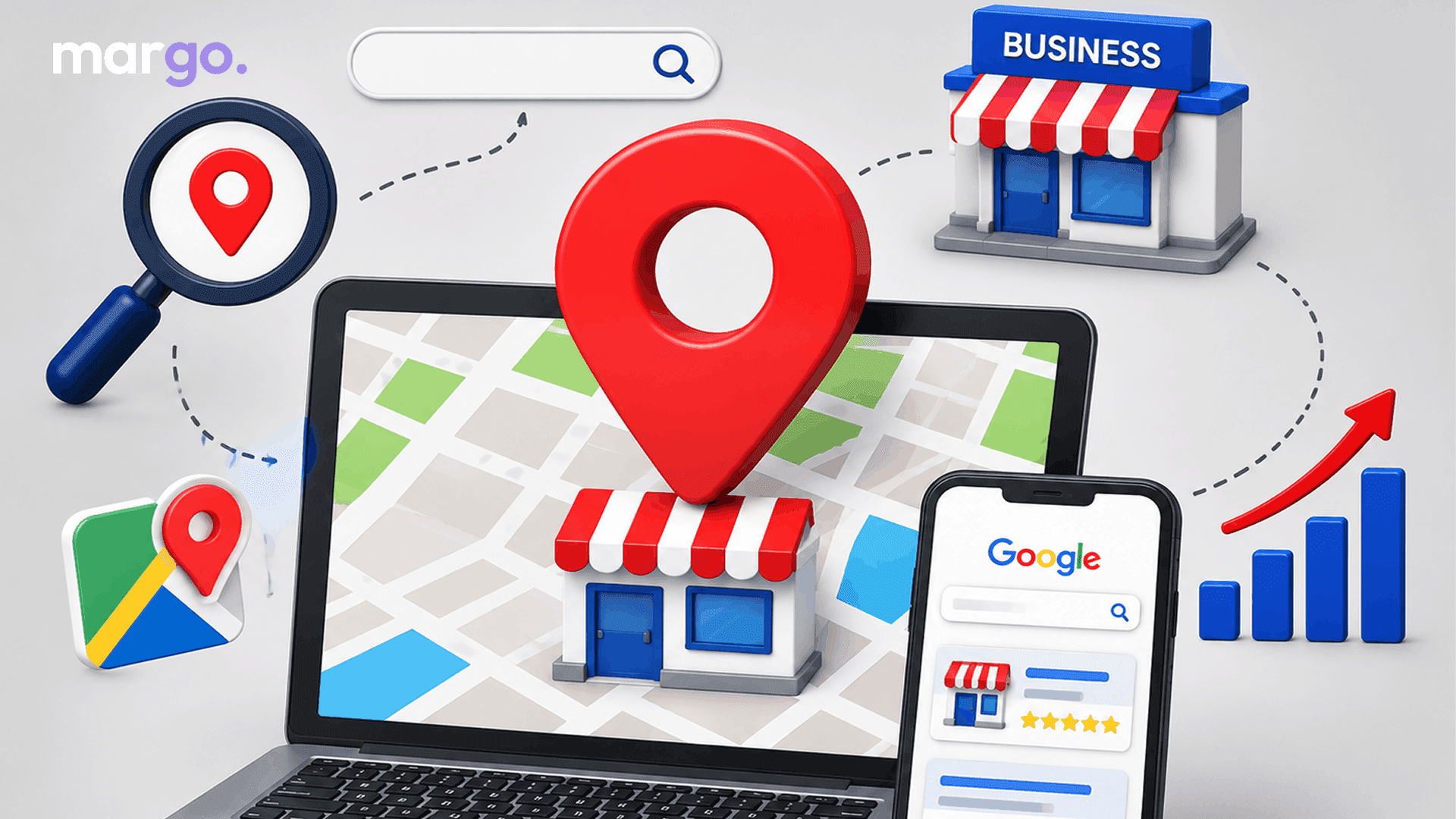
If your business offers services to people in a particular city, neighborhood, or region, your potential customers are likely already searching online for you. They might not know your name yet tho. People often Google "coffee shop near me" or "plumber in [city]" and the first businesses that show up get the business. That's where local SEO comes into play.
You will learn about local SEO for businesses, its purpose, and how to utilize it to enhance your business in this guide.
What Is Local SEO?
So, what does local seo means? Local SEO, or Search Engine Optimization is getting your business to show up in search results when local people are looking for the products or services you offer. In traditional SEO, the goal is to rank for broad, national, or global keywords. A local SEO strategy, on the other hand, focuses on location-based searches.
Local SEO is really just making sure that your business shows up when someone in your area is searching for what you sell. This can be in Google's normal search results, Google Maps, or the "local pack," which is the box of three business listings that appears at the top of many searches.
Local SEO is very helpful for brick-and-mortar businesses, service area businesses, and any other type of business that relies on customers from a certain area, such as restaurants, dentists, salons, law firms, real estate agents, home service providers, etc.
How Local SEO Works
Before you can understand how local SEO works, you need to know what search engines look at to choose which local businesses to show first. Google and other search engines look at a number of things, including:
- Relevance is the degree to which your business matches what the person looking for does.
- The distance between your business and the searcher's location.
- The more reviews, links, and citations your business has on the web, the more prominent it will be.
To rank well businesses need to tell search engines who they are, what they do, and where they are in a strong, consistent way. This involves claiming your Google Business Profile, obtaining customer reviews, creating local citations, and making sure your website content is location-specific.
Local SEO Strategy: Key Components
A good local SEO strategy often incorporates the following:
1. Optimizing Your Google My Business Listing
One of the most important things you can do is claim and fully optimize your Google Business Profile (formerly known as Google My Business). You need to edit your business hours, categories, photos, and full description so that search engines and customers know exactly what you have to offer.
2. NAP standardization
NAP is short for Name, Address, and Phone number. Having the same info on your website, directories, and social profiles will give search engines more confidence in your business data. Inconsistencies will hurt your local search ranking.
3. Local Keywords
Search engines can connect your business to a place by using words like city names, neighborhood names, and "near me" on your website.
4. Online Reviews
A lot of what determines local rankings is customer reviews on Google, Yelp, and platforms that are specific to the business. Get happy customers to leave reviews, and respond to all of them, whether it's good or bad.
5. Citations & Link Building
Proper backlinks from local businesses or organizations being listed in the local directory help to build trust. It will help you in local search ranking.
6. Mobile Optimization
People usually do their local searches on their phones, while they're out and about. A website that loads quickly and works well on mobile devices is important for both users and search engines.
How to Do Local SEO Marketing?
Follow these steps to learn how to do local SEO marketing right:
- Set up your Google Business Profile to make it work better.
- Make sure that your NAP information is the same everywhere online.
- If you cover multiple areas, create a landing page for each of those areas.
- Have a look at customer reviews and then respond.
- Look for customer reviews and then respond.
- Register your business on different trusted local directories.
- Post content relevant to your niche, such as blog posts on community events, guides, etc.
- Take a look at local search ranking and adjust the strategy accordingly.
Just leave things as is. You can't just do local SEO one time. You have to keep working at it as your business grows and search algorithms change.
Importance of Local SEO
In this mobile-first, search-driven world, it's impossible to say enough about how important local SEO is. People use search engines more and more to quickly decide what to buy, and companies that don't show up are easily forgotten, even if they have better products or services than companies that rank higher.
Local SEO creates a level playing field for businesses. For example, a small independent business that is very well optimized for its local area can beat out a national chain in local search results. Local SEO is the most affordable way to market a business. This is especially true if you are a small business owner with a limited budget.
Advantages of Local SEO
There are several benefits of local SEO besides just making your business more visible. Here is what businesses usually get from it:
- More foot traffic: If you are seen in local search results, it means people are actually coming to your location.
- Better leads: Customers who are actively looking for your services in the area are far more likely to buy.
- More trust in the brand: A good review and a well-optimized profile make the brand look more trustworthy.
- Cost-effective: Local SEO gives you long-lasting results for less money than paid ads.
- The benefit over competitors: Many small businesses haven't optimized for local search yet, so those that have an advantage.
Your local search rank will improve over time as ongoing optimization will allow your business to move up in the results.
Final Thoughts
It's no longer a choice for businesses that want to be found by people in their area; they have to use local SEO. Understanding local SEO and how it works, and then implementing it, can help businesses of all sizes increase their visibility, attract more customers, and establish a more prominent presence in their community.
If you're a small business owner new to local SEO or wanting to improve the way you do things now, getting down the basics like Google Business Profile optimization, NAP consistency, reviews, and local content will set you up for long-term success.
Frequently Asked Questions
Local SEO is the act of optimizing the website to show up in local searches when people in the area are searching for products or services.
Most businesses should see their local search ranking improve within 3-6 months. But it’s never that simple and depends on the competition and how hard they want to work.
Not in the slightest. Local SEO is great for small businesses, but it’s also good for any business with a location or service area. This goes for big brands with several locations, as well.
Traditional SEO is about ranking for broad keywords, usually national or even global keywords. However, local SEO is all about location-based searches, helping your business to show up for local customers.
Yes. Reviews can make a huge impact on the ranking of a local search result. They alter the trust and relevance signals used by search engines to rank businesses in the listings.