Someone searches for a product, taps your ad, and you pay for that tap. Nothing else. That one rule makes pay per click advertising a common first paid channel for Indian businesses, whether they sell sarees from Surat or software from Bengaluru. It also explains why a careless account can burn ₹30,000 in a week with nothing to show. This guide is for owners about to spend their first ₹20,000 who want to know where it goes. Below: the auction, the platforms, the rupee maths and the mistakes to avoid in 2026.
What Is Pay Per Click Advertising?
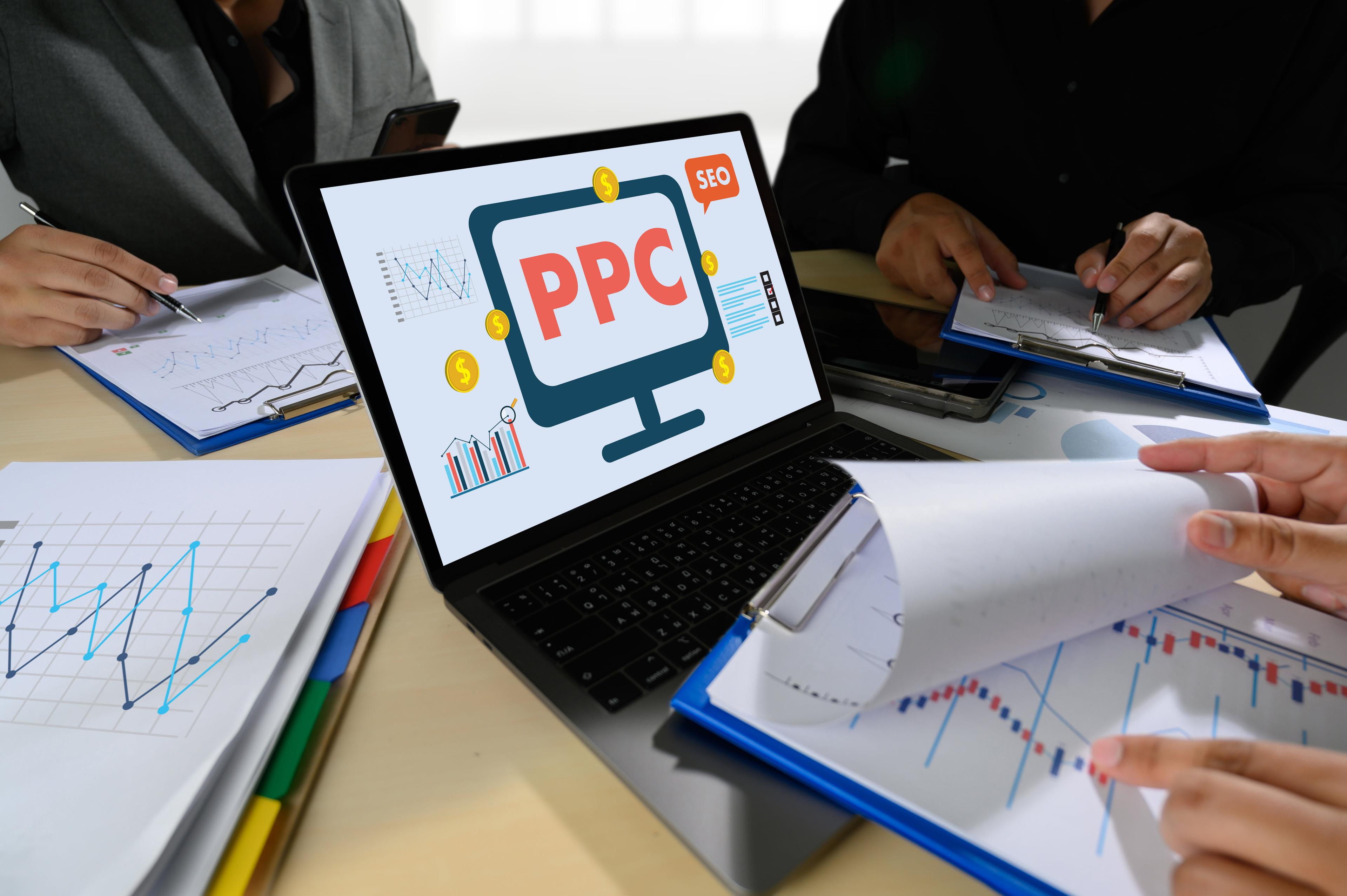
Pay per click advertising, shortened to PPC, is a paid marketing model where an advertiser pays a platform only when someone clicks an ad. The ad can sit on a search results page, a social feed, a video or a shopping listing. You pick keywords or audiences, set a bid and a daily budget, and the platform runs an auction whenever an ad slot opens. The PPC full form is pay per click, and in digital marketing it is the quickest way to buy targeted website visits.
Paid search is the best-known version. When a shopper types "steel water bottle under 500" and sees a sponsored result at the top, that is PPC at work.
Why Do Businesses Choose PPC?
A new page can take months to rank in organic results, while a PPC ad can send visitors the same afternoon. You also control who sees it: city, device, time of day, even the exact search phrase. And because every click is counted, you can trace spend to enquiries instead of guessing. Small budgets work too, since you can cap spend per day.
The wider market points the same way. WPP Media's June 2026 forecast puts India's total ad revenue at about $22.5 billion (INR 2.0 trillion) for 2026, up 8.8%, and names a strong small-business base as one driver. Traffic also stops the day the budget does.
How Does a PPC Auction Work?
Each time someone searches, Google runs a quick auction among advertisers whose keywords match. It ranks them by Ad Rank. Google lists six inputs: your bid, ad and landing page quality, Ad Rank thresholds, how competitive the auction is, the search context, and the expected effect of ad assets such as sitelinks (Google Ads Help).
Your bid is a ceiling. Google says you often pay less than your maximum, and higher-quality ads tend to cost less per click. So a ₹40 bid does not mean ₹40 leaves your account. A sharper ad and a relevant landing page can win the same slot for less.
What Are the Main Types of PPC Ads and Platforms?
Pick the format by how close the buyer is to paying.
- Search ads appear when someone types a query. They catch people already looking, which is why most accounts start here.
- Shopping ads show product, price and image.
- Display ads sit on websites and apps. Better for reminding people than for closing sales.
- Video ads run on YouTube.
- Social ads run on Meta and LinkedIn, where you target by interest, role or behaviour.
The main platforms are Google Ads, Microsoft Advertising, Meta Ads, LinkedIn Ads and Amazon Ads.
How Is PPC Different From SEM and SEO?
SEM is the umbrella for earning visibility in search. PPC is the paid part of it, and SEO is the unpaid part. Some writers use SEM to mean paid search only, so check the context.
| PPC | SEM | SEO | |
|---|---|---|---|
| What it covers | Paid ads, billed per click | Paid and organic search work together | Unpaid ranking in results |
| Speed | Hours to days | Mixed | Months |
| Stops when budget stops? | Yes | Partly | No |
Many accounts run both. Our SEO vs PPC guide shows how to split effort.
A Pune coaching institute that needs admissions before the next batch starts can run PPC now while its SEO pages mature over the coming quarter. Once organic enquiries grow, the paid budget can shrink.
How Do You Set Up a PPC Campaign Step by Step?
Six steps cover a first campaign.
- 1.Pick one goal with a number, such as 40 enquiries a month.
- 2.Choose the platform by intent: Google for people searching, Meta for people discovering.
- 3.Build a keyword list, then add negative keywords so "free" and "jobs" searches don't eat budget.
- 4.Write ads that mirror the search, and send clicks to a page that finishes the promise, not your homepage.
- 5.Set a daily budget and a bid strategy you can afford to learn on.
- 6.Install conversion tracking before launch, then read the search terms report every week.
A Jaipur jewellery store might pick "book a showroom visit" as its goal, bid on "silver anklet online", and send clicks to a collection page, not the shop's front page.
What Does PPC Cost in India?
No fixed price exists, because every click is auctioned. Costs shift by industry, city and season, so treat any single "average CPC" with caution and work backwards from your goal. Google's Keyword Planner gives estimates for your own keywords. Example: at an assumed ₹30 per click and a ₹30,000 monthly budget, you buy about 1,000 clicks. If 3% of visitors enquire, that is 30 leads at roughly ₹1,000 each. Both inputs are assumptions, so swap in your own.
Then add GST. Google's payments page lists CGST 9% plus SGST 9%, or 18% IGST, and asks businesses to share a GSTIN to claim input credit (Google Payments Center). Agency fees sit on top. Our Google Ads cost in India guide goes deeper.
What PPC Mistakes and Challenges Should You Watch For?
Most losses come from setup, not the platform.
- Running ads with no conversion tracking, so a lead looks the same as a bounce.
- Skipping negative keywords.
- Sending every click to the homepage.
- Reading clicks as success when nobody buys.
- Letting automated settings widen matching without checking what actually triggered the ads.
Click fraud worries many owners. Google says you are not charged for invalid clicks, and it credits any found after invoicing. Add the Invalid clicks column and watch it. Treat your first month as a test.
Common Mistake: Raising the budget on a campaign that does not convert. Fix tracking and the landing page first.
What Are the PPC Trends to Watch in 2026?
Automation is the big shift. Google's AI Max for Search bundles search term matching, text customization and final URL expansion. From 1 September 2026, campaigns using automatically created assets or campaign-level broad match started moving to AI Max, according to Search Engine Roundtable. Broader matching can pull in queries you never chose, so check your search terms. A sensible response is to review that report weekly, add negative keywords early and keep brand and location controls tight wherever the platform offers them. Measure leads and revenue, not just clicks, because automated bidding optimises toward whatever you tell it to count.
Money is moving too. WPP Media expects social and other digital advertising in India to reach $8.3 billion in 2026, growing 13.2%.
What Should You Do Next?
Pay per click advertising rewards clean setup and patience. Start with one goal, one platform and a budget you can afford to learn on, then judge results by leads. If you would rather hand the build to a team, look at our PPC services in India and ask for an account review. A short conversation is enough to see whether PPC fits your stage. Revisit the numbers monthly and cut whatever does not pay back.
Frequently Asked Questions
SEO earns free, slower traffic by improving pages so they rank on their own. PPC buys traffic by paying for each click, so visits start quickly and stop when spend stops. SEO builds over months and lasts. PPC gives control and speed. Most businesses use both: PPC to learn fast, SEO to lower long-term cost.
CPC, or cost per click, suits campaigns that need visits or leads. CPM, or cost per thousand impressions, suits awareness, where being seen is the aim. If you care about actions on your site, start with CPC. If you are launching a new brand, CPM can make sense.
It depends on your industry, keywords and competition, since every click is auctioned. Work from your goal: budget divided by cost per click gives expected clicks, and your conversion rate turns clicks into leads. Begin with a test budget you can afford, then scale what works. Add 18% GST to media spend.
No. PPC is the model, and Google Ads is one platform that uses it. Microsoft Advertising, Meta Ads, LinkedIn Ads and Amazon Ads also offer cost-per-click bidding. The two terms often get swapped because search ads on Google are what many people picture first, but they are not the same thing.
Clicks can start within hours of ad approval, but useful results take longer. Expect a few weeks to gather search term data, remove waste and tune ads. Automated bidding also needs conversions to learn from. Judge the first month on what you learned.
Indirectly. Ads do not buy a higher organic position. What PPC does give you is fast data on which keywords and messages convert. You can reuse that insight in page titles, headings and content, where ranking is still earned through SEO work.