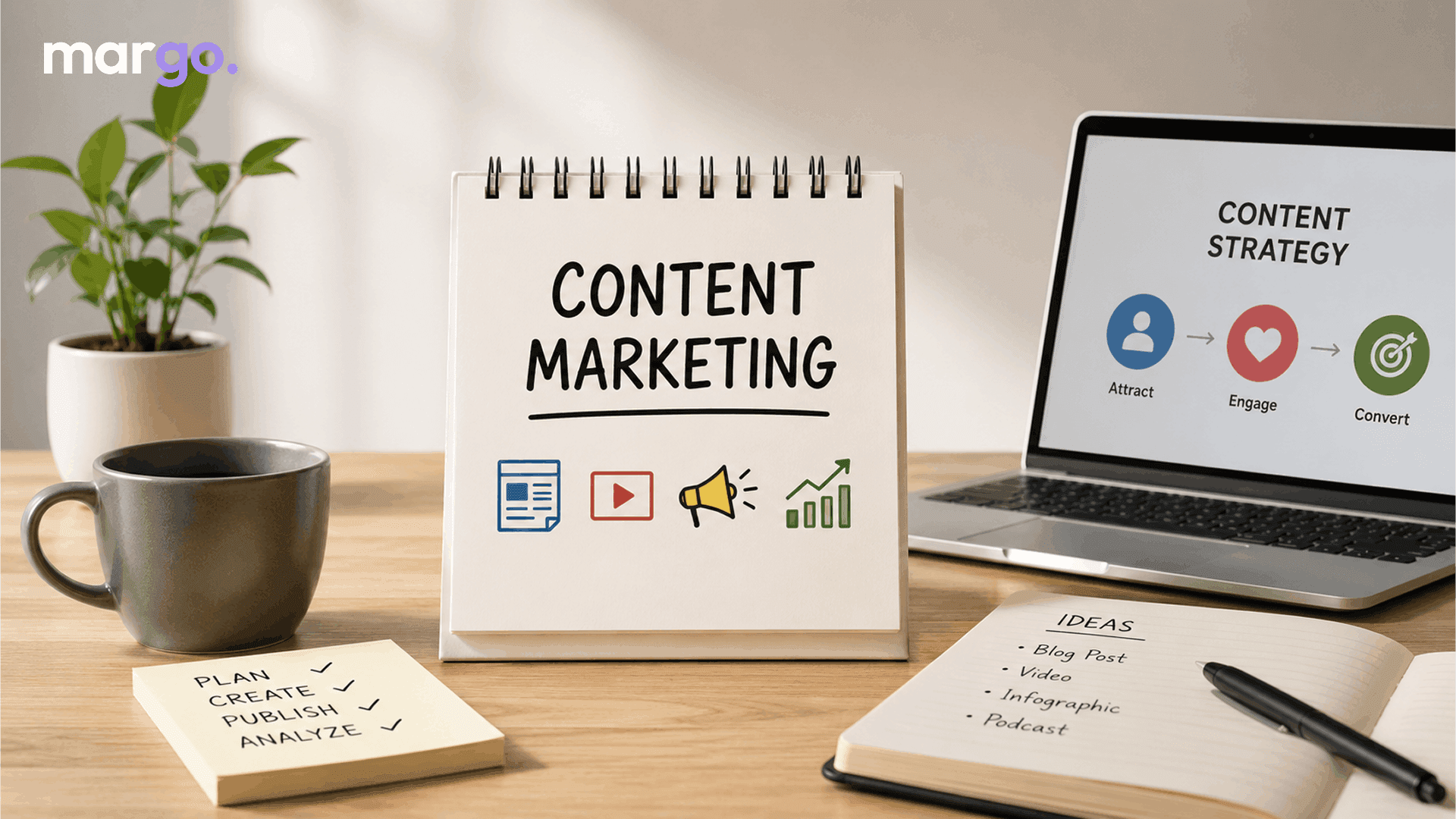
Without relying only on traditional ads, content marketing has become one of the best ways for brands to connect with their customers. Content marketing doesn't bother people with sales pitches; instead, it draws them in with useful, relevant content that builds trust over time. What is content marketing? Why is it important? This guide breaks down the different types of content marketing you can use in your strategy.
Define Content Marketing
Content marketing is a strategic way of marketing that involves making and sharing useful, consistent, and valuable content with the goal of attracting and keeping a clear-cut audience and, ultimately, getting profitable customer action. Instead of advertising a product or service directly, content marketing tries to teach, entertain, or inform, making a brand look like an expert in its field.
Content marketing is one of the most important parts of digital marketing because it powers almost all the other channels. Strong content is necessary for SEO, social media, email campaigns, and paid advertising to work well. Even the most well-targeted campaigns can't really connect with their audiences if they don't have interesting content.
Why Is Content Marketing Important?
People today are smarter and less likely to trust traditional ads than ever before, so content marketing is important. Before buying something, people do a lot of research on it, compare their options, and look for useful information. When brands consistently give that information, they earn trust, and that trust often leads to a sale.
Content marketing does more than build trust; it also helps with long-term visibility. Good content usually does well in search engines, gets backlinks, and is shared on social media sites. This builds value over time and brings in more traffic and leads long after it's been published.
Benefits and Advantages of Content Marketing
A content marketing strategy that is well executed has many benefits, such as:
- Wider recognition of your brand: Reliable, useful content keeps your brand visible and in people's minds.
- Better SEO: New content that is optimised for keywords helps pages rank higher in search results.
- More trust and loyalty from customers: Educational content shows that you know what you're talking about and builds credibility over time.
- Higher conversion rates: Prospects who are well-informed and have read and interacted with useful content are more likely to make a purchase.
- Cost-effective lead generation: Over time, content marketing often has a lower cost per lead than traditional advertising.
- Support for the whole buyer's journey: Different types of content can help prospects from the point where they first become aware of your business to the point where they decide to buy from you.
These benefits are amplified when different types of content are used in a smart way. Each type of content serves a different purpose in reaching and keeping an audience.
Types of Content Marketing
A good content marketing plan usually uses a mix of different formats to reach people on different devices and at different points in the buying process. This list shows the most powerful types of content marketing used today.
1. Blog Posts
Blog posts are still an important part of content marketing. They're great for SEO because they let brands focus on certain keywords and answer frequently asked customer questions. Blogs also help you become a thot leader and give you a steady stream of content that you can use in your email and social media campaigns.
2. Email
Email marketing is one of the most personal and measurable ways to get content to people because it goes straight to their inbox. Newsletters, product updates, and "nurture sequences" keep people interested and use highly targeted messages to lead them to buy.
3. Videos
Video content has become very popular because it is easy to use and gets a lot of attention. Video, from short social videos to in-depth tutorials and product demos, lets brands quickly explain complicated ideas and connect with viewers on an emotional level.
4. Infographics
Infographics take data and hard-to-understand ideas and turn them into pictures that are easy to understand. They're great for sharing on social media and making complicated things like statistics, processes, or comparisons easier to understand than if they were written out in plain text.
5. Podcasts
Podcasts have become a popular form of content because they give people a personal way to connect with content while they commute, work out, or relax. They work especially well for building a loyal following and showing expert interviews, insights into the industry, or stories that make people feel more connected to the brand.
6. Ebooks and Whitepapers
Ebooks and whitepapers are long pieces of content that go into more detail about a subject than a blog post can. These formats are often used to offer content in exchange for an email address, which makes them useful for getting new leads.
7. Live Streaming
Live streaming lets brands and viewers interact in real time thru Q&As, product launches, webinars, and content from behind the scenes. Live content often gets more engagement than pre-recorded content because it is more real and happening right now.
8. Interactive Content
Interactive content, like quizzes, calculators, polls, and tests, gets people to do something instead of just passively taking in information. This format tends to keep people interested for longer and can give you useful information about what your audience likes.
9. Landing Pages
Landing pages are an important part of any content marketing strategy, even tho they aren't always thot of as "content." They are the points where visitors decide to do something, like download an ebook, sign up for a webinar, or ask for a demo. Good design and copy on a landing page directly affect the number of conversions.
Building an Effective Content Marketing Strategy
One format isn't necessary for a content marketing strategy to work. Instead, it carefully mixes different types of content based on what the audience wants, what the platform does best, and what role each piece plays in the buyer's journey. For instance, a blog post could bring in free traffic, an infographic could share the post's most important information on social media, and an email sequence could guide the leads to a gated ebook and, finally, a landing page conversion.
No matter which formats a brand chooses to focus on, a strong strategy is still based on consistency, quality, and relevance to the audience.
Reviewing performance data like engagement rates, conversions, and search rankings on a regular basis helps to improve the mix of content over time so that it has the most impact.
Frequently Asked Questions
Content marketing in digital marketing is the process of making and sharing useful content, like blogs, videos, and emails, to attract, engage, and keep a specific audience, ultimately helping to reach larger marketing and business goals.
Most of the time, blog posts, videos, emails, and infographics work best, but this depends on the industry and audience. Many brands find that using more than one format at the same time works best for them.
Content marketing is a cost-effective and long-term way to grow your business because it builds trust, makes your site more visible in search results, and guides leads thru the buying process without relying on traditional advertising alone.
First, figure out who you want to reach and what you want to achieve. Then, pick content formats that fit with where your audience hangs out and what stage of the buyer's journey you want to reach them at. Regular publishing and keeping track of performance are key to making the strategy better over time.
Content marketing focuses on giving value, like through education, entertainment, or information, to build trust and attract an audience naturally over time. Traditional advertising promotes a product or service directly.