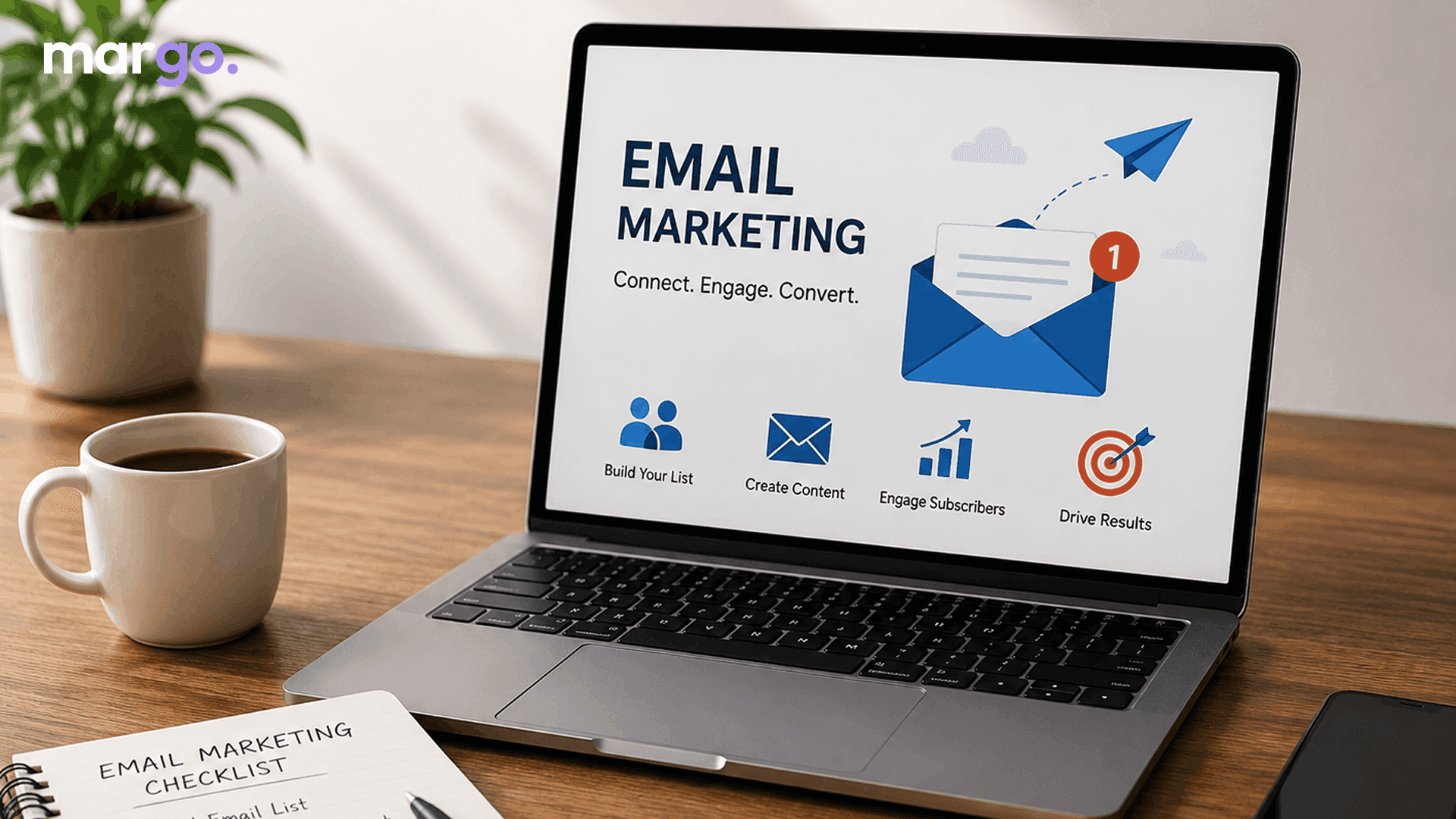
Email remains one of the highest-return channels available to businesses of any size. When done right, it builds trust, nurtures leads, and turns one-time buyers into repeat customers. Done poorly, it lands in spam folders and damages your sender reputation. If you're wondering how to do email marketing in a way that actually moves the needle, these seven email marketing best practices will help you build campaigns that get opened, read, and acted on.
1. Build a Permission-Based List
Every strong email program starts with a clean, permission-based list. Buying email lists might seem like a shortcut, but it almost always backfires — high bounce rates, spam complaints, and low engagement signal to inbox providers that your emails aren't wanted. Grow your list organically by placing signup forms on your website, blog, and checkout pages and offering a lead magnet like a discount code or a free guide for an email address. Double opt-in also improves deliverability and ensures the recipient is truly interested. A big list of uninterested subscribers will always lose out to a smaller list of engaged ones.
2. Segment Your Audience
Not every subscriber wants the same message. Segmentation is one of the most effective email marketing tips you can use – instead of shooting a generic message to everyone, you can send the relevant content to the right people at the right time. You can segment by purchase history and browsing behavior, location or demographics, engagement level, or where someone sits in the customer journey — new lead, repeat customer, or lapsed buyer. Segmented campaigns consistently see higher open and click-through rates than one-size-fits-all sends, simply because the content feels personally relevant.
3. Write Subject Lines That Earn the Open
Your subject line is the gatekeeper for everything else. No matter how strong your email marketing content is, it won't matter if nobody opens the message. Use short subject lines – 50 characters is a good rule of thumb, to make sure they display fully on mobile – and create curiosity or urgency without resorting to clickbait. Using a first name or recent activity helps to personalize, and A/B testing different versions shows you what really resonates with your audience. And don't forget preview text – the extra line of text that's visible next to the subject line in most inboxes, and one that's often wasted on generic phrases such as "view in browser" when it could be used to reinforce your subject line instead.
4. Focus on Value-Centric Content
This is where most campaigns fail. Subscribers let you into their inbox because they expect something useful in return, not constant promotion. Good email marketing content adds value and drives conversion, whether it's educational tips, behind-the-scenes stories that help build brand connection or how-to guides. The 80/20 rule is a good rule of thumb. Your emails should be about 80% valuable and only 20% directly promotional. It keeps subscribers engaged, and not feeling like they're just being sold to."
5. Mobile First Design
More than half of all emails are opened on a mobile device now, so mobile-friendly design is not optional. A desktop-friendly email that fails on a phone screen will lose readers fast. Use a single-column layout, at least 14px for body copy, make buttons large enough to tap easily, and compress images so emails load quickly on slower connections. And always send a test email to yourself and see how it renders on different devices before you send it to your entire list.
6. Automate Critical Email Marketing Steps
Automation lets you send timely, relevant messages without sending each email yourself. Knowing crucial steps in email marketing automation can save you a lot of time and deliver better results. Important sequences include a welcome series to introduce new subscribers to your brand, abandoned cart emails to recover potentially lost sales, post-purchase follow-ups to suggest complementary products, and re-engagement campaigns to win back subscribers who've gone quiet. Automation makes sure that no lead is forgotten and your email advertising can be working in the background while you're working on other parts of your business.
7. Monitor Metrics & Continuously Optimize
Email marketing is not a set-it-and-forget-it channel. The businesses that see the best results treat each campaign as a learning opportunity, using data to inform the next send. Open rate is a measure of how good your subject lines are, so pay attention to that. Click-through rate is a measure of how good your content is. Conversion rate is a measure of business results. Unsubscribe or spam complaint rates are early warning indicators of list fatigue. Regularly reviewing these numbers helps you refine your approach—small, consistent improvements compound into much better performance over time.
Putting it All Together
Email is not a place for flashy tricks or a big budget to grow your business. It demands consistency, relevance, and respect for your subscribers' inboxes. Follow these email marketing best practices — building a quality list, segmenting thoughtfully, crafting strong subject lines, delivering real value, designing for mobile, automating key touchpoints, and tracking your results — and you'll be well-positioned to turn email into one of your most reliable channels for growth. Whether you're new to email marketing or looking to improve your email marketing efforts, the basics will always be the same. Know your audience. Respect their time. Try different things until you find what works for you.
Frequently Asked Questions
Most businesses do a great job of sending 1-4 emails a month (depending on industry and audience). Here, consistency is the key. Find a cadence and stick to it for as long as you can without inundating your subscribers, and then adjust based on engagement data.
Average open rates are usually 15–25% depending on your industry. Generally, rates above 20% are high. Don't look at a specific number; instead, look at your own trend over time.
Just email those who have opted in, keep the content relevant to what they signed up for, ensure the unsubscribe link is easy to find, and don’t email too often. The usual is a steady drip of unsubscribes. Spikes usually mean you have a content or frequency problem.
No. Most email service providers (like Mailchimp, Klaviyo, or Brevo) have free or inexpensive plans for small lists that include automation, segmentation, and template tools. You can grow as you grow your list and your needs.
Email marketing is generally the act of sending campaigns to an owned list of people who have opted in to receive emails from your brand. Email advertising can also be done through paid placements, such as sponsoring a newsletter you don’t own to reach a wider audience than your current list.